Shopping guide
Build Resilient Off-Grid and Home Solar Power
Whether powering an RV on the open road or engineering whole-home backup resilience, Eco-Worthy delivers modular solar equipment designed for self-reliant energy setups.
Explore Eco-Worthy solar panels, LiFePO4 lithium batteries, and hybrid inverters to build reliable DIY off-grid power systems or whole-home backup solutions.
01
Meet the merchant
Selecting the Right LiFePO4 Battery: Rack-Mount vs. Portable 12V
When planning an off-grid or emergency storage installation, selecting the correct battery configuration dictates system efficiency, wiring complexity, and long-term expandability. Eco-Worthy offers distinct LiFePO4 battery platforms tailored to different usage profiles, ranging from modular 12V drop-in units to high-density 48V server rack models like the Cubix and PowerMega series.
For mobile applications such as camper vans, travel trailers, and marine vessels, standard 12V LiFePO4 batteries (such as 100Ah or 314Ah models) offer straightforward compatibility with existing 12V vehicle alternators and DC distribution panels. These units are compact, easy to reposition, and often feature integrated Bluetooth monitoring and low-temperature charge protection to prevent cell degradation in freezing climates.
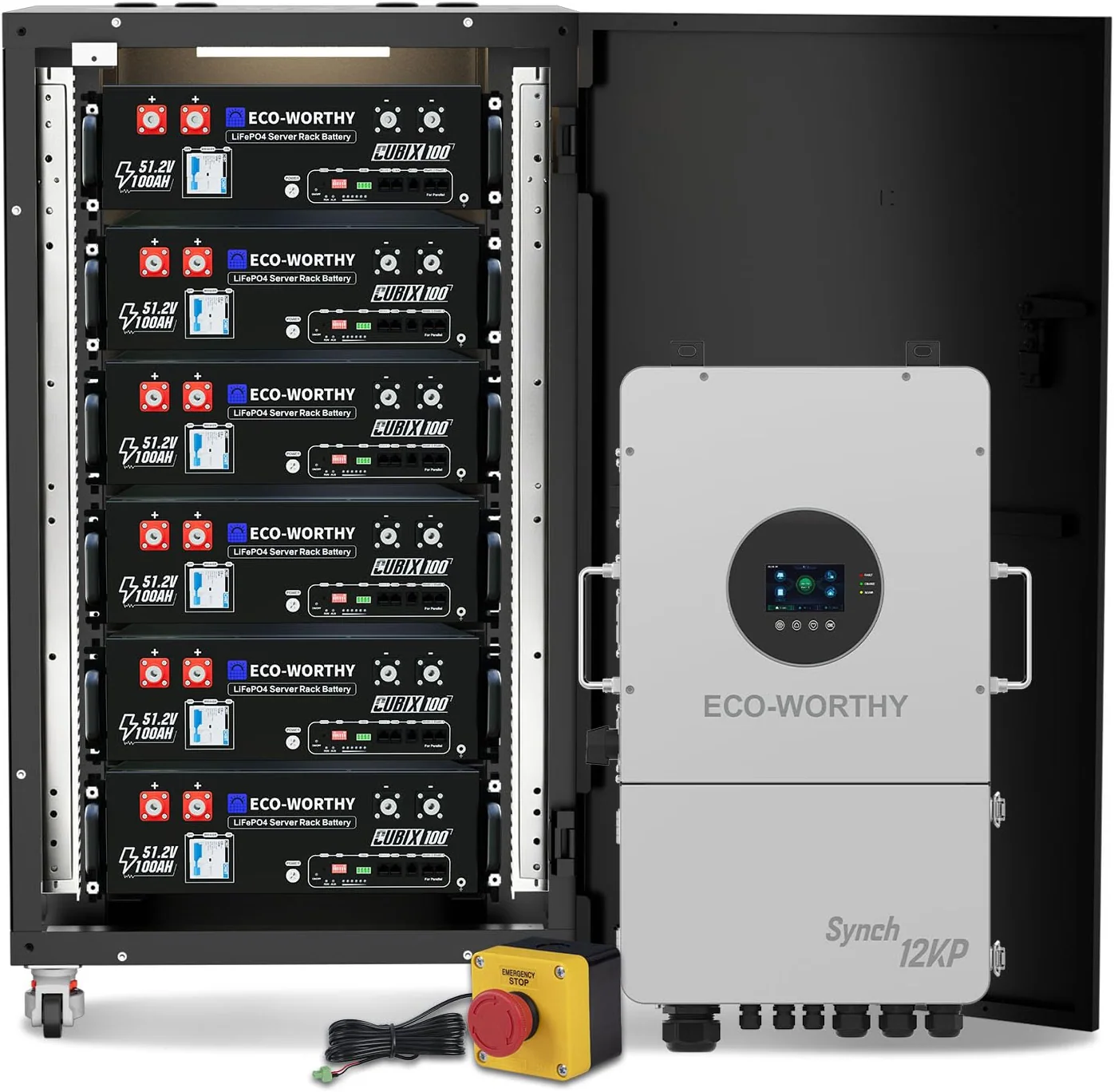
Conversely, residential installations and larger off-grid cabins benefit significantly from 48V server rack batteries. Operating at 48 volts reduces DC amperage by a factor of four compared to a 12V system delivering identical wattage. Lower amperage allows for smaller cable gauges, decreases resistive heat loss, and supports higher-capacity inverter connections. In multi-pack configurations housed in structured server cabinets with dedicated busbars, rack-mount batteries deliver scalable, neat energy banks that simplify routine maintenance and cell monitoring.
02
Offers and conditions
| Offer | Value / code | Conditions |
|---|---|---|
| Free Shipping Free & Fast Delivery Source |
Free Shipping | Free & Fast Delivery |
Before ordering, check price, stock, shipping, returns, and offer terms on the merchant checkout page.
03
Featured picks

04
Before you order
Matching Solar Inverters and PV Input to Your Energy Demands
An inverter is the bridge between your DC energy storage and your AC appliances. Choosing an undersized inverter can cause frequent fault shutdowns during appliance startup surges, while an improperly matched solar charge controller limits how much energy your PV array captures during peak daylight hours.
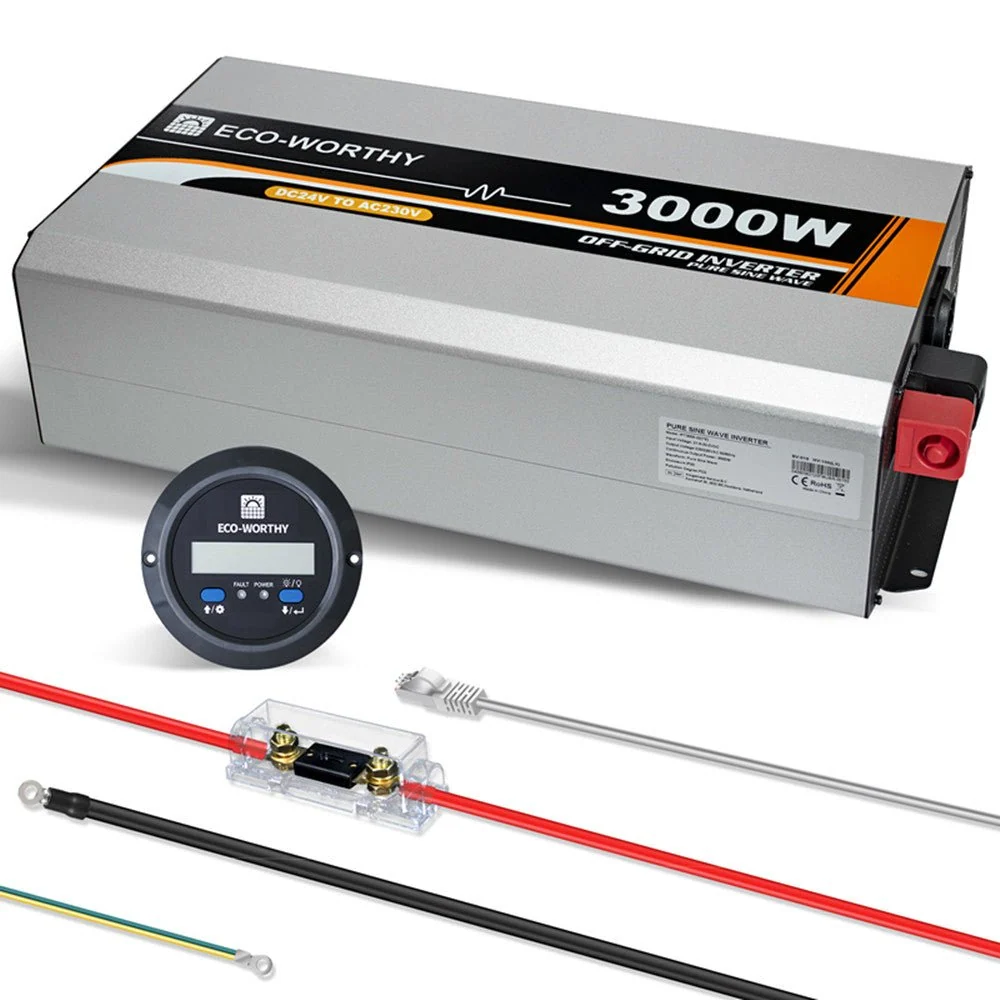
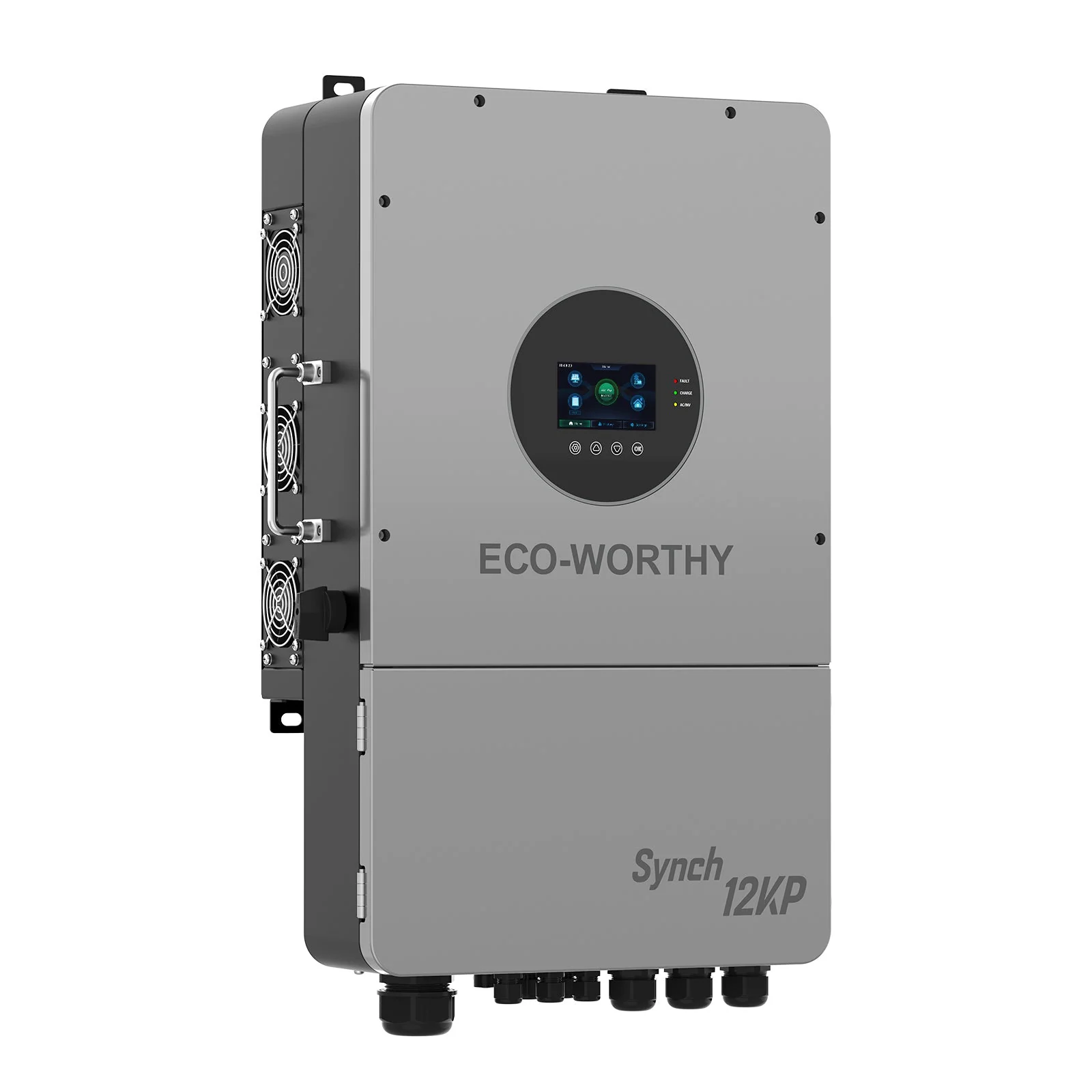
Eco-Worthy’s inverter lineup includes standalone pure sine wave units—such as 24V-to-110V 3000W models—as well as advanced hybrid all-in-one split-phase units like the Synch 12KP. When configuring your array, pay close attention to the following parameters:
- Continuous Output vs. Surge Rating: Inductive loads like refrigerator compressors, well pumps, and power tools require heavy initial startup wattage. Ensure your inverter’s surge capacity accommodates these momentary spikes.
- Split-Phase 120V/240V Utility: If you plan to power high-draw appliances like well pumps, clothes dryers, or mini-split heat pumps, an inverter supporting native split-phase output eliminates the need for complex external autotransformers.
- Maximum PV Input Voltage: Hybrid units equipped with 500V or 550V maximum PV input allow long series strings of solar panels. Series strings operate at higher voltages and lower currents, reducing line losses and simplifying roof-to-inverter wiring runs.
Complete Home Backup Systems vs. Modular Off-Grid Expansions
Homeowners and off-grid builders often face a strategic decision: purchase a pre-bundled turnkey energy storage system or gradually assemble a custom system component by component. Both pathways offer measurable benefits depending on your technical confidence and installation timeline.
Pre-configured home backup bundles, such as Eco-Worthy’s 10kW to 12kW inverter systems paired with 20kWh to 30kWh of LiFePO4 storage, remove the friction of sizing compatible cables, busbars, and battery management protocols. These packages arrive pre-engineered to interface cleanly, allowing electricians or experienced DIYers to wire essential subpanels rapidly before storm seasons or prolonged utility interruptions.
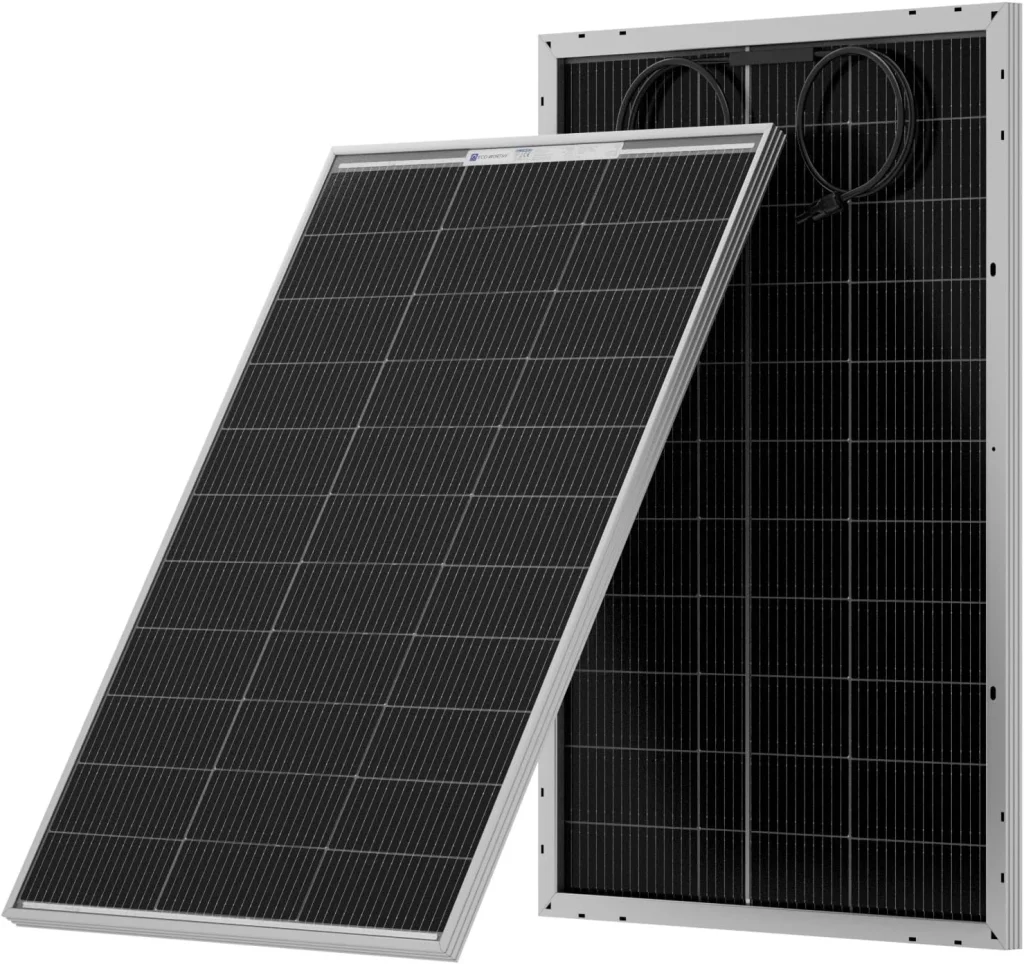
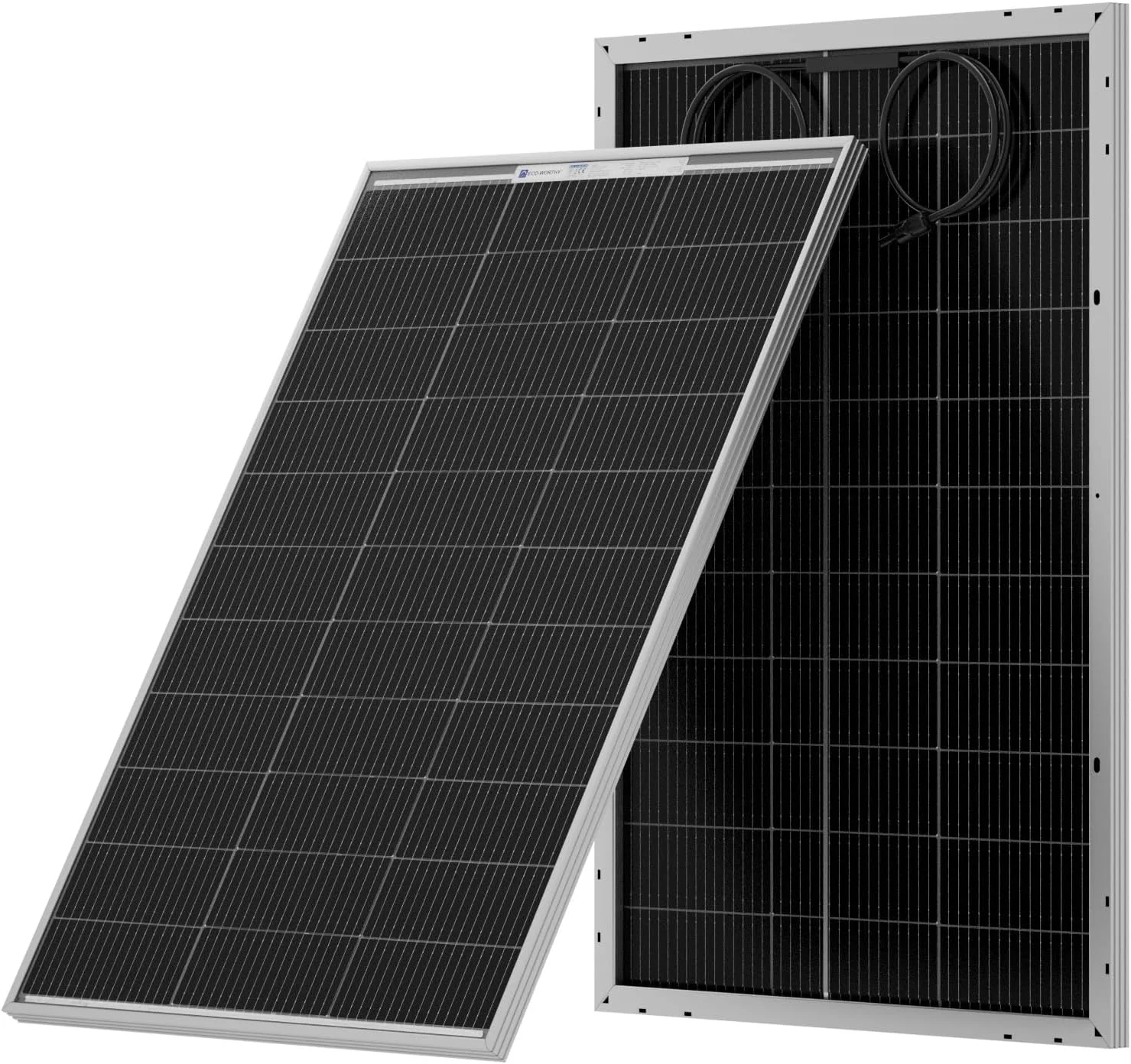
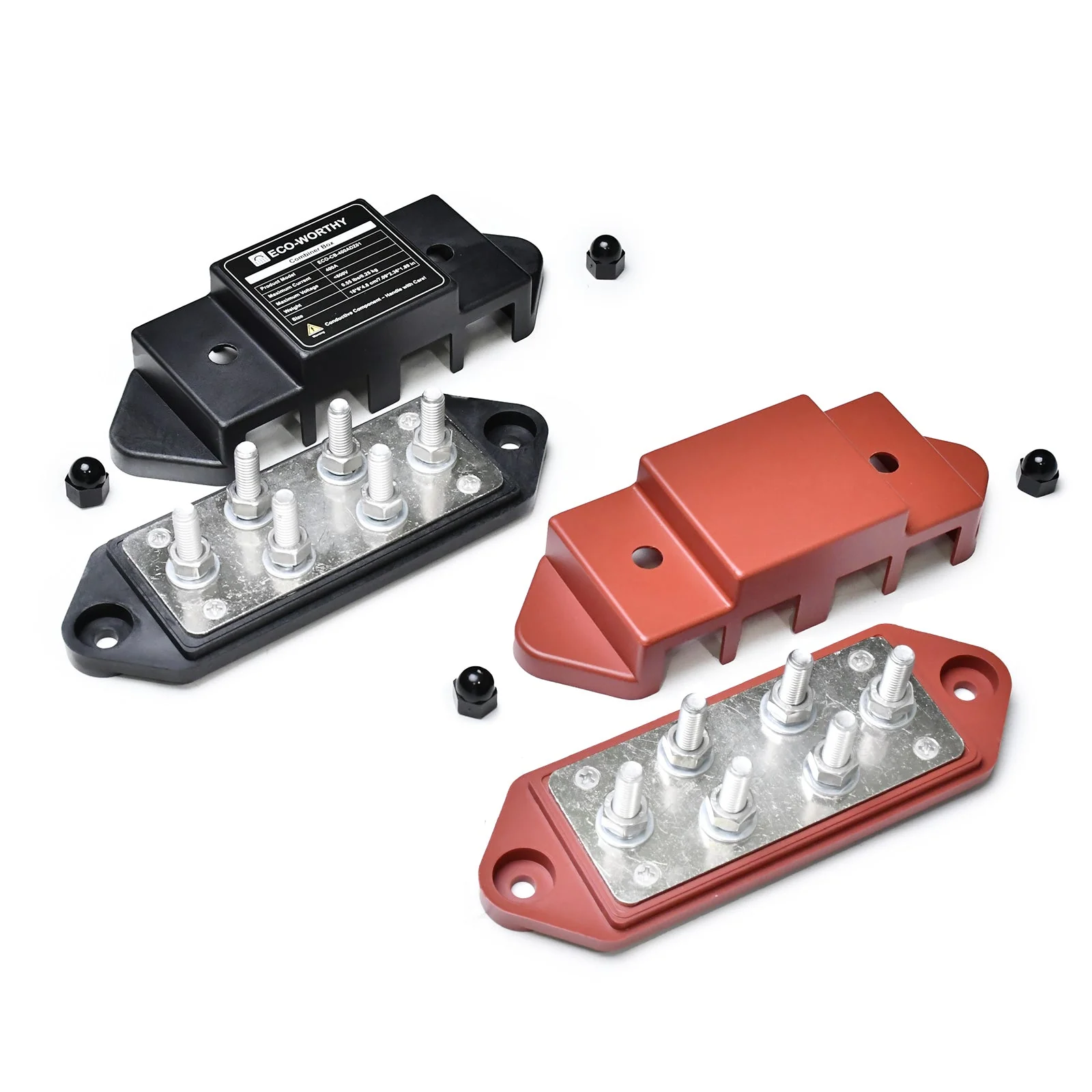
On the other hand, starting with a modular foundation—a single 48V server rack battery, an expandable inverter, and a starter array of monocrystalline solar panels—allows you to distribute capital investment over time. By incorporating high-capacity 400A busbars and standardized rack enclosures, you can add battery packs in parallel as household energy requirements grow. Always remember to check product specifications, live stock availability, delivery timeframes, and warranty terms directly on the Eco-Worthy checkout page prior to placing your order.
- Calculate your daily continuous watt-hour usage and peak surge wattage before picking battery capacity and inverter sizes.
- Confirm that your solar array’s open-circuit voltage (Voc) stays safely within your charge controller or inverter’s maximum input voltage window.
- Review merchant checkout details to verify current pricing, live inventory, shipping rules, return guidelines, and warranty terms.
05
FAQ
What is the difference between LiFePO4 and traditional lithium-ion batteries?
LiFePO4 (lithium iron phosphate) chemistry offers higher thermal stability, an extended cycle life (often several thousand cycles before capacity degradation), and enhanced safety against thermal runaway compared to standard NMC lithium batteries.
Can I mix different battery capacities or voltages in my Eco-Worthy system?
No. You should always use batteries of the identical nominal voltage, capacity, and chemistry within the same battery bank. Mixing voltages or significantly aged batteries can lead to dangerous imbalances and reduced performance.
Do I need an electrician to install a split-phase hybrid inverter?
While DIY enthusiasts frequently install isolated off-grid circuits, integrating a split-phase hybrid inverter into a primary home electrical service panel or critical loads subpanel involves hazardous AC voltages and should be completed by a licensed electrician following local building codes.
Where can I confirm shipping costs, return windows, and warranty coverage?
Detailed shipping terms, current product inventory, return windows, and warranty conditions are displayed during the checkout process on the official Eco-Worthy store.
Disclosure: this article may contain affiliate links. We may earn a commission if you purchase through these links, at no extra cost to you.